

Josh Mitchell
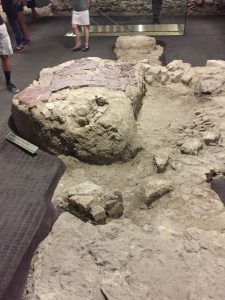
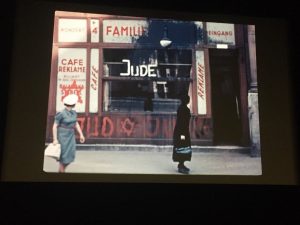
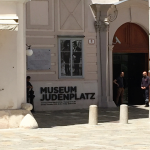
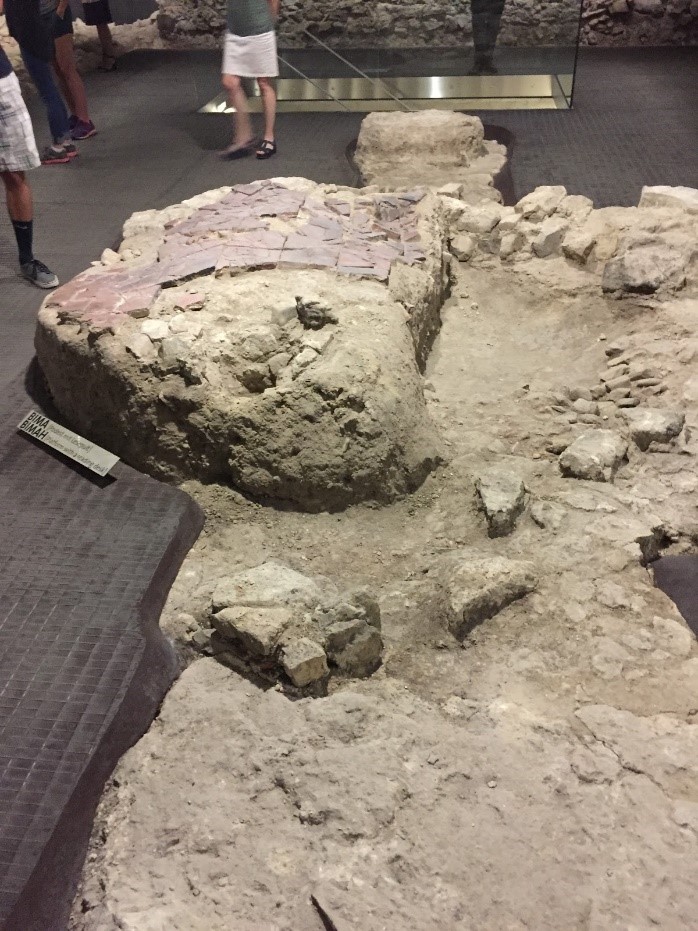
When we visited the Jewish Museum, and we heard the tour guide describe how the first Jews were invited to the city by the rulers, only to have their very services drive the people to a brutal program and expulsion from the city. They were imprisoned for over a year while the rulers attempted to extract as much wealth from them as possible, and then the wealthiest of them were all burned at the stake. The brutal nature of these murders show how far these Viennese people had shifted their opinions to even more dislike of the Jews, but our tour guide reminded us that even having the Jews be let into the city was deeply unpopular. It was only when it was no longer politically expedient did the rulers of the city decide to get rid of the Jews. This initial expulsion as well as the Nazi’s reign of terror on Jews before and during World War II has led to the destruction of many synagogues that would otherwise remain standing today. However, just looking at the ancient foundations of the first synagogue built over a Roman camp shows how deeply rooted the Jewish people are still in Vienna. The oldest layer of the bricks is over 1000 years old, and the Jews wanted to build their synagogue on these battlements from the Roman camp that preceded Vienna. I think it is an interesting parallel between the Jews and many of the other first settlers in Vienna. They both built the foundation of their settlement on the bones of old Roman settlements. Even though the Jewish quarter looked like was closed off, it was open for anyone to walk through. These Jewish people have as much a history here as any Viennese who first moved here. However, after the Second World War, the amount of Jews living in Vienna, after the initial surge of those able to return to city, has declined as many people moved to Israel. They felt that this new Jewish state could be only safe place for them in a world that seemed bent on oppressing them. It is important to note that many Jews still feel deep ties to Vienna, and when looking through the extensive artifacts gathered by the Jewish Museum, it is obvious that they will continue to support studying their history. The current population of Jews in Vienna is around 8,000, and most of these people are migrants from more Eastern European countries that may have moved during the cold war to avoid Russia. Another interesting story shared by two peoples in Vienna was are the Jewish people, and the Syrians we learned about in the documentary we watched, The White Helmets, as well as the presentation we saw, Bad Luck Aleppo. These amount of hardship that these two groups had endured to get to where they are today is impressive. Many of the Jews in Vienna were so affected by World War II, that they ended up moving away to Israel to establish their safety. The Syrians have been forced to do the same, fleeing their country that no longer feels safe to them because the very government that is supposed to protect its citizens has turned weapons and its anger on them. The resilience that these people demonstrated, and their commitment to making a better life for themselves shows the reliance of their character. They are demonstrating great bravery and the fact that are willing to risk their lives to try and make a better life shows their dedication to achieving this goal.